Table of Contents
.
Lagos Island vs Lagos Mainland comes down to what you’re optimizing for. For rental yield and affordability, invest on the Lagos Mainland; for capital appreciation, prestige, and short-let income, invest on Lagos Island. Mainland neighbourhoods like Yaba, Ikeja GRA, and Surulere post gross rental yields of 5% to 9%, against 3% to 4.5% on the Island in areas like Ikoyi and Banana Island (The Africanvestor). Island property, meanwhile, has delivered stronger long-run price growth, prime Victoria Island has seen consistent 10% to 15% annual appreciation in naira terms, and Banana Island land has reportedly gained over 500% in a decade (The Africanvestor).
Neither side is objectively “better.” The right answer depends on whether you’re buying for monthly cash flow, long-term capital growth, or a personal residence with resale value. Here’s how the two markets actually compare in 2026.
Quick Verdict: Island vs Mainland at a Glance
| Factor | Lagos Island | Lagos Mainland |
| Price per sqm (prime areas) | ₦2.4m – ₦6.2m | ₦400,000 – ₦1.2m |
| Typical gross rental yield | 3% – 4.5% | 5% – 9% |
| Capital appreciation | 10% – 15%/yr in prime pockets | 12% – 18%/yr nationally, up to 25% near new infrastructure |
| Entry price (3-bed apartment) | ₦120m – ₦250m | ₦45m – ₦85m |
| Best for | Prestige, capital growth, short-let/Airbnb | Rental cash flow, affordability, first-time investors |
| Key risk | Flooding, reclaimed-land erosion, high service charges | Older infrastructure, longer commutes, patchier documentation in some pockets |
Figures compiled from The Africanvestor’s 2026 Lagos market data and Nigeria Housing Market’s 2026 property price guide.
What “Island” and “Mainland” Actually Mean in Lagos
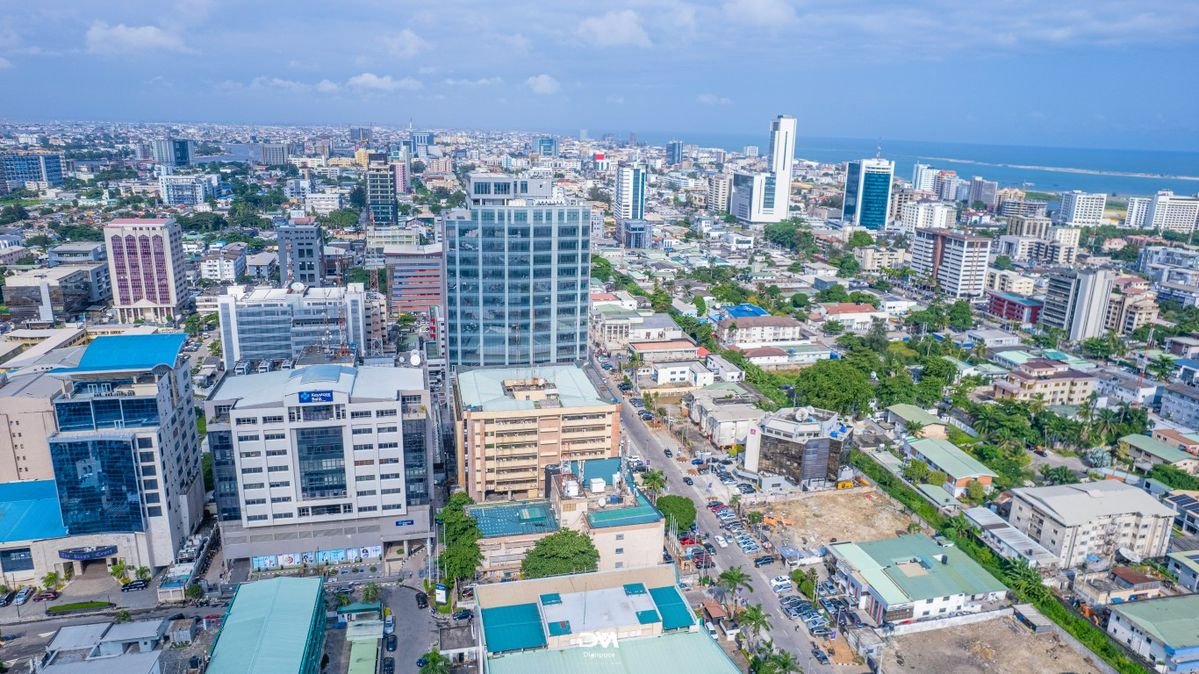
Lagos Island refers to the cluster of neighbourhoods sitting on Lagos’s original island and its reclaimed extensions: Ikoyi, Victoria Island, Banana Island, Eko Atlantic, Oniru, and Lekki (Phase 1 through the Ajah corridor). These areas host the city’s financial district, its diplomatic community, and its highest-income residents.
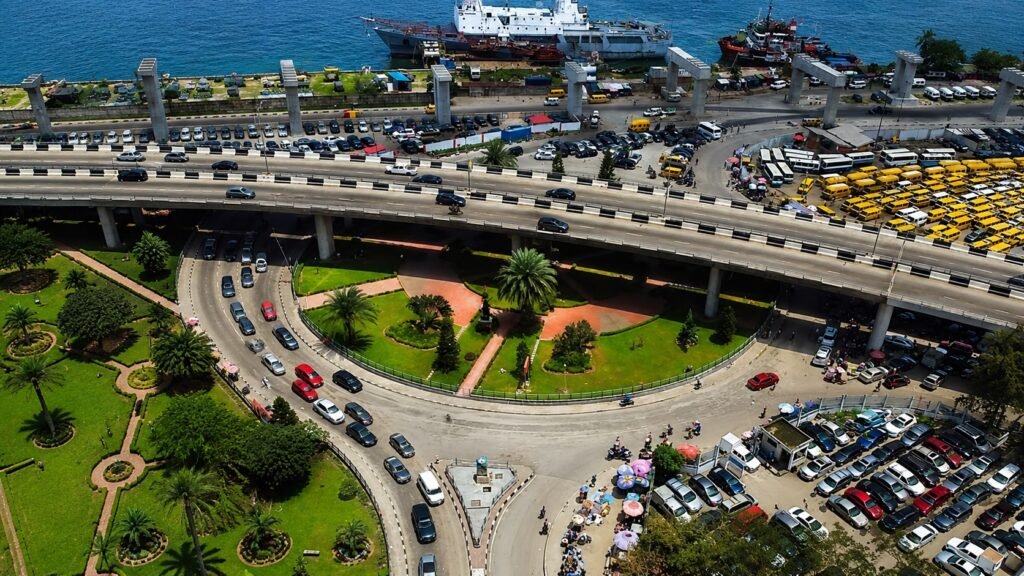
Lagos Mainland covers everywhere else across the lagoon: Yaba, Surulere, Ikeja, Gbagada, Magodo, Ogudu, and further-out zones like Ikorodu and Alimosho. This is where most of the city’s population actually lives, and where the bulk of rental demand for mid-income housing sits.
Price Per Square Metre: Island vs Mainland
The gap in raw pricing is the starkest difference between the two markets. Ultra-premium Island neighbourhoods run ₦2.4 million to ₦6.2 million per square metre, with Banana Island and old Ikoyi commanding the top of that range for new luxury apartments (The Africanvestor). Comparable Mainland areas like Surulere and Ogba sit at ₦400,000 to ₦1.2 million per square metre. These are accessible entry points for first-time investors, though often with older building stock or weaker title documentation in some pockets (The Africanvestor).
That price gap shows up directly in unit prices. A three-bedroom apartment on the Mainland in Yaba or Surulere typically costs ₦45 million to ₦85 million, while the same unit in Lekki Phase 1 or Oniru on the Island runs ₦120 million to ₦250 million (Nigeria Housing Market). Move up to Ikoyi or Victoria Island proper, and prices climb to ₦450 million and beyond.
Rental Yield: Mainland Wins Decisively
If monthly cash flow is your goal, the Mainland is the clearer choice. Mainland neighbourhoods like Yaba, Maryland, and Gbagada deliver gross yields of 7% to 9% and tend to hold up better during economic downturns than Island properties (The Africanvestor). Island yields compress because purchase prices have run far ahead of achievable rents. Prime Ikoyi and Banana Island typically yield only 3% to 4.5% gross (The Africanvestor).
There’s one exception worth flagging: short-let and Airbnb-style income. Victoria Island, Ikoyi’s Bourdillon-Glover-Kingsway axis, Oniru, and Lekki Phase 1’s Admiralty Way corridor are the strongest-performing submarkets for short-stay platforms, serving corporate and expatriate travellers who pay a premium for flexibility. For an investor running an actively managed short-let operation rather than a standard long lease, Island returns can look very different from the long-let numbers above.
Capital Appreciation: The Island’s Strongest Argument
Where the Island earns its premium is long-term price growth. Prime Victoria Island has delivered consistent 10% to 15% annual appreciation in naira terms for well-located, commercial-adjacent units. Banana Island land prices have reportedly risen over 500% in the past decade to around ₦3 million per square metre (The Africanvestor). The driver is straightforward: constrained land supply on a physically limited island meeting persistent high-income demand from expatriates, corporations, and wealthy Nigerians who want security and prestige.
Mainland appreciation is real but more uneven. Lagos property prices rose roughly 18% in naira terms between January 2025 and January 2026 overall. The gains ranged from as little as 12% in some Mainland areas to as high as 25% in sought-after Lekki corridors closer to the Island (The Africanvestor). Ikeja GRA stands out as a Mainland exception, posting strong appreciation of its own thanks to limited premium supply and steady corporate tenant demand.
Infrastructure Is Reshaping the 2026 Decision
Three infrastructure projects are actively narrowing the historical Island-Mainland gap, and they’re worth tracking before you commit to either side.
The Lekki-Epe coastal highway. Following a $1.26 billion financing deal secured in December 2025 for the Eleko-to-Ode-Omi section, construction on this 700km corridor has moved into high gear, transforming Ibeju-Lekki and Epe from suburban outposts into premium coastal hubs. Properties within 5km of the route are already seeing 25% to 40% appreciation spikes as access to the Lekki Free Trade Zone and Dangote Refinery improves (Nigeria Housing Market).
The Fourth Mainland Bridge. With construction now active on this 38km bridge, the traditional Mainland-Island divide is starting to shrink. The project is unlocking new value in Ikorodu and other eastern Mainland corridors that will gain direct Island access once complete (Nigeria Housing Market).
The Lagos Rail Mass Transit Red Line. Neighbourhoods along this corridor, Yaba, Ikeja, and Oshodi, are seeing renewed buyer interest from people who want shorter commutes without paying Island prices (The Africanvestor).
The pattern across all three: buyers who move early on infrastructure-adjacent Mainland corridors are capturing appreciation that used to be an Island-only phenomenon.
Risk Factors to Weigh on Each Side

Every Lagos submarket carries its own risk profile, and it’s worth being direct about both sides.
On the Island, much of Victoria Island and all of Eko Atlantic sit on reclaimed land, and flooding remains a recurring seasonal concern in low-lying parts of Lekki and Victoria Island. Service charges on serviced Island apartments also run meaningfully higher than Mainland equivalents, since generator fuel, security, and facility upkeep on premium buildings aren’t cheap.
On the Mainland, older building stock in areas like Surulere means more maintenance surprises, some outer corridors have weaker title documentation, and traffic to Island employment hubs can add hours to a daily commute for tenants who work there (The Africanvestor). Areas like parts of Ajah also see seasonal flooding, so it’s not purely an Island-side risk.
Who Should Buy Where
Buy on the Mainland if you’re prioritizing rental cash flow, you’re a first-time Lagos investor working with a smaller budget, or you want a tenant pool that’s less exposed to a single sector’s ups and downs. Yaba, Ikeja GRA, and Surulere are the strongest starting points.
Buy on the Island if you’re prioritizing long-term capital appreciation over monthly yield, you want a prestige address with resale liquidity to diaspora or expatriate buyers, or you’re planning to run a short-let/Airbnb operation rather than a standard annual lease. Victoria Island, Eko Atlantic, and Oniru are the areas to focus on for that strategy.
Consider the infrastructure corridors if you want exposure to both: Mainland areas gaining new bridge, rail, or highway access, Ikorodu, Yaba, Ikeja, and the outer Lekki-Epe corridor, currently offer Island-adjacent appreciation potential at Mainland entry prices.
Frequently Asked Questions
Is it better to buy property on Lagos Island or Mainland in 2026?
It depends on your goal. The Mainland offers stronger rental yields, typically 5% to 9% gross versus 3% to 4.5% on the Island, while the Island offers stronger long-term capital appreciation, with prime Victoria Island seeing 10% to 15% annual growth (The Africanvestor).
Why are Lagos Island properties so much more expensive than Mainland properties?
Island land supply is physically constrained by water, while demand from expatriates, corporations, and high-income Nigerians keeps rising. Prime Island neighbourhoods cost ₦2.4 million to ₦6.2 million per square metre, against ₦400,000 to ₦1.2 million on the Mainland (The Africanvestor).
Which Mainland areas are benefiting most from new infrastructure in 2026?
Ikorodu is gaining direct Island access from the Fourth Mainland Bridge, while Yaba, Ikeja, and Oshodi are seeing renewed demand along the Lagos Rail Mass Transit Red Line corridor (Nigeria Housing Market; The Africanvestor).
Is Lagos Island property at risk of flooding?
Yes, seasonal flooding is a recurring concern in low-lying parts of Victoria Island and Lekki, and much of Eko Atlantic and Victoria Island sits on reclaimed land, which buyers should factor into long-term risk assessment.
Can I get good rental income from a Lagos Island property?
Long-let yields on the Island are lower than the Mainland, but short-let and Airbnb-style income can perform strongly in Victoria Island, Ikoyi, Oniru, and Lekki Phase 1, which are the city’s top-performing short-stay submarkets serving corporate and expatriate travellers.
Bottom Line
There’s no universal winner between Lagos Island and Lagos Mainland, there’s only the better fit for your investment goal. Choose the Mainland for rental cash flow and an accessible entry price, and choose the Island for capital appreciation, prestige, and short-let income. If you want the best of both, look at the Mainland corridors currently gaining Island-level infrastructure: Ikorodu, Yaba, and the Lekki-Epe axis are where 2026’s most interesting price action is happening.
Weighing a specific neighbourhood on either side? Salesville Properties can walk you through current listings and price data across both markets, see our companion guides to the best areas for real estate investment in Lagos and the best neighbourhoods in Lagos for rental income for a deeper breakdown by area.