Table of Contents
Currency Hedging for Diaspora Investors in Lagos, buying property means structuring your purchase, pricing, and payment timing to protect your investment from naira volatility, primarily by paying in dollar-pegged terms, timing transfers around favorable exchange windows, and choosing developers who price in or accept foreign currency. With the naira trading in a wide band and the exchange rate directly affecting how far your dollars, pounds, or euros stretch, getting this right can be the difference between a profitable property purchase and one that quietly loses value before the paperwork is even signed.
For Nigerians abroad, real estate in Lagos has long been one of the most attractive ways to build wealth back home. But the naira’s recent history adds a layer of risk that domestic buyers don’t face in the same way. This guide breaks down what’s driving currency volatility right now, the practical hedging strategies diaspora investors are using, and the mistakes that can erode returns.
Why Currency Risk Matters More Than Ever
The naira has been on a turbulent ride. After plunging from around ₦460 to the dollar in mid-2023 to nearly ₦1,740 in late 2024, the currency clawed back toward the ₦1,350 to ₦1,450 range by early 2026, according to reporting by Punch Newspapers. As of April 2026, the Naira was trading within roughly the ₦1,370 to ₦1,390 corridor in the official market, supported by the Central Bank of Nigeria’s hawkish monetary stance.
That stability is encouraging, but forecasts for the rest of 2026 still span a wide range. Most analysts place the naira within a band of ₦1,100 to ₦1,550 per dollar, with investment houses such as Cordros Securities and CardinalStone Partners expecting relative stability around ₦1,350 to ₦1,450, according to Punch Newspapers. A swing of even ₦100 per dollar on a ₦50 million property purchase changes your dollar cost by tens of thousands, which is why timing and structure matter as much as the price tag itself.
Diaspora remittances are part of what’s keeping the naira anchored. Nigeria received approximately $21.3 billion in remittances, equal to roughly 11.3% of GDP, making it one of the largest remittance-receiving economies globally. Reforms requiring international money transfer operators to pay diaspora remittances in foreign currency, combined with the routing of more transfers through formal banking channels, have improved the supply of foreign currency to Nigeria’s banking system, according to Businessday NG.

Hedging Strategy 1: Negotiate Dollar-Indexed Pricing
The most direct hedge is agreeing a property price that’s pegged to or quoted in US dollars (or your home currency), even if the actual payment settles in naira. This shields you from naira depreciation between the time you commit to a purchase and the time you complete payment, which for off-plan developments can be months or years.
Reputable developers serving the diaspora market are increasingly offering dollar-denominated pricing for exactly this reason. Before signing, clarify in writing whether your contract price is fixed in naira (exposing you to depreciation risk during the payment period) or indexed to a foreign currency (transferring that risk to the developer).
Hedging Strategy 2: Time Your Transfers Around Exchange Rate Windows
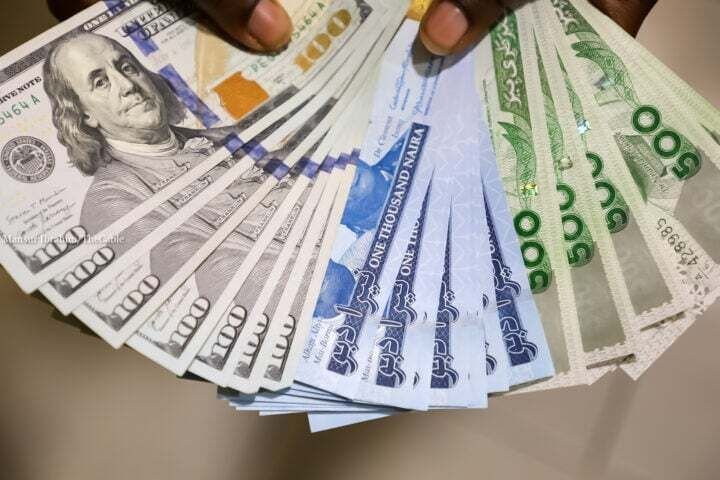
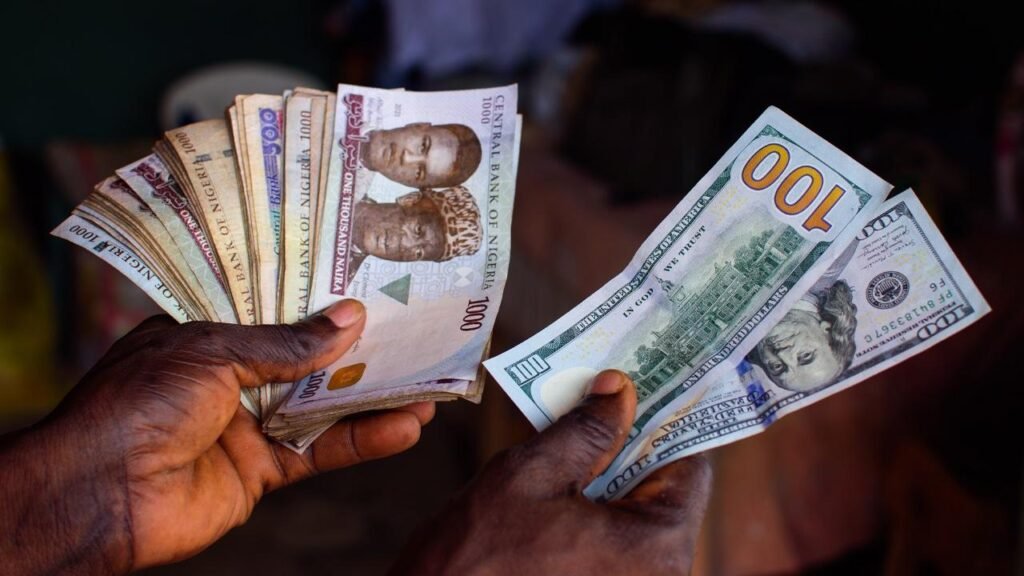
Exchange rates move daily, and the gap between the official NFEM rate and the parallel market rate, while narrower than in 2024 and 2025, still exists. In late January 2026, for example, the official rate hovered near ₦1,412 to ₦1,420 per dollar while parallel market dealers in Lagos quoted between ₦1,475 and ₦1,495, according to allAfrica reporting.
For large transfers, even a small gap compounds quickly. Diaspora investors should monitor both official and parallel rates, use licensed money transfer operators that offer competitive official-window rates, and avoid converting large sums during periods of acute naira softening if the purchase timeline allows flexibility. Splitting a large transfer into tranches timed across different weeks can also smooth out the average rate you pay, rather than betting everything on a single day.
Hedging Strategy 3: Pay Through Formal, Traceable Channels
Beyond exchange rate exposure, diaspora buyers face documentation risk. Paying through formal banking channels, licensed Bureau De Change operators, or regulated remittance platforms creates a paper trail that protects you if a dispute arises over payment completion, a common issue in stalled projects. Reports of diaspora investors facing project delays after completing payments, including a widely covered case involving RevolutionPlus Property’s Lekki development, underscore why traceable payments and clear contractual milestones matter as much as the exchange rate itself.
Hedging Strategy 4: Diversify Currency Exposure in Your Portfolio
If you’re holding naira-denominated assets (such as land or property awaiting resale) alongside foreign currency savings, your overall portfolio already has a built-in hedge: naira depreciation that hurts the value of your Nigerian asset in dollar terms is partly offset by the fact that your dollar savings now buy more naira if you choose to invest further. Some diaspora investors deliberately stagger purchases over multiple years rather than committing all capital at once, using each tranche as a natural hedge against the exchange rate at that point in time.
Common Mistakes to Avoid

- Converting all funds at once based on a “good rate” headline without checking whether that rate applies to the official window, the parallel market, or your specific transfer corridor.
- Assuming naira-denominated prices are fixed when the underlying contract allows the developer to adjust based on cost inflation, which has been a recurring issue amid Nigeria’s elevated inflation (15.69% as of April 2026, per the National Bureau of Statistics).
- Skipping a written agreement on currency terms, leaving ambiguity over who absorbs exchange rate movements between deposit and completion.
- Ignoring transfer fees and spread costs, which can add several percentage points to the effective exchange rate on top of the headline rate quoted.
Frequently Asked Questions
What is the best way for diaspora investors to hedge against naira depreciation? The most effective approach combines dollar-indexed pricing where possible, timing large transfers to take advantage of favorable official-window rates, and using formal payment channels that provide documentation and recourse.
What is the current naira to dollar exchange rate for property purchases? As of April 2026, the official NFEM rate was trading within roughly ₦1,370 to ₦1,390 per dollar, while the parallel market traded at a premium. Rates fluctuate daily, so always check current rates before transferring large sums.
Is it safer to pay for Lagos property in naira or dollars? Paying in a currency indexed to your home currency reduces your exposure to naira depreciation during the payment period, particularly for off-plan or installment purchases. However, this depends on what the developer offers and should be agreed in writing before any payment is made.
Why does the naira exchange rate matter so much for off-plan property purchases? Off-plan purchases often involve payments spread over months or years. If your contract price is fixed in naira, depreciation during that period effectively increases the dollar cost of the property, even though the naira figure stays the same.
How much do diaspora remittances affect the naira exchange rate? Diaspora remittances are a significant source of foreign currency supply for Nigeria, with the country receiving approximately $21.3 billion in remittances, around 11.3% of GDP. Higher remittance inflows generally support naira stability by increasing foreign currency supply.