Table of Contents
.
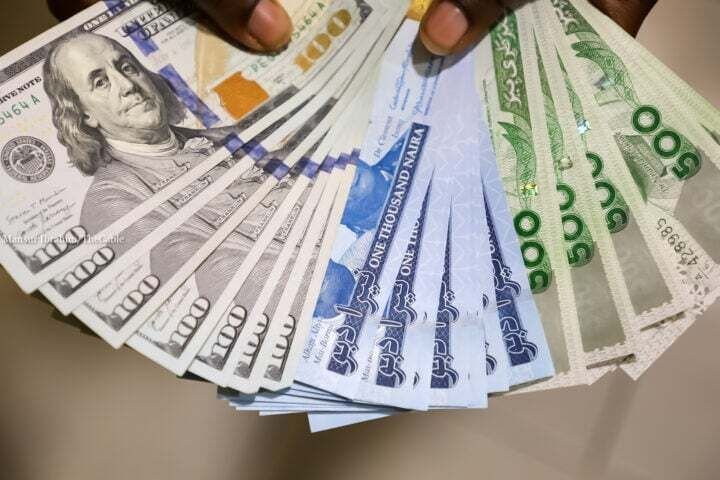
Short-let and Airbnb investment in Lagos and Abuja is still profitable in 2026, but the easy-money era is over. Lagos hosts now earn a median of roughly $4,500 a year per listing at 38% occupancy, according to AirDNA’s 2026 Lagos market report. Well-managed units in Lekki, Ikoyi, and Victoria Island post far higher net yields.
Abuja’s average host, by contrast, earns barely half of Lagos’s figure. Thousands of poorly positioned units in both cities sit empty most nights. The gap between a winning short-let and a loss-making one now comes down to location, management quality, and power reliability, not simply owning a furnished apartment.
Is Short-Let Still Profitable in Lagos in 2026?
Lagos remains Nigeria’s largest and most liquid short-term rental market. But the 2026 data shows a market that rewards professional operators far more than casual hosts.
AirDNA counted 8,691 active Airbnb, Vrbo, and Booking.com listings in Lagos as of July 2026. The average listing earned $4,500 in trailing-twelve-month revenue at 38% occupancy and a $96 average daily rate. Revenue per listing is up 49.6% year over year.
Most of that gain reflects naira-to-dollar pricing shifts and a 23.5% jump in active listings, rather than occupancy growth alone. AirROI’s competing dataset puts occupancy closer to 32%. That’s a reminder that Lagos short-let performance varies widely by data source, neighborhood, and property type.
The picture looks very different at the top end. Nigeria Real Estate Blog’s Q1 2026 analysis found furnished 2–3 bedroom units in Lekki, Ikoyi, and Victoria Island delivering an average 24% net yield after management and maintenance costs. The strongest properties in those zones hit 26–32% net yield and 85–95% occupancy.
That gap between an 85%-occupancy prime unit and a 38% market-average listing is the biggest lesson in the 2026 Lagos data: location and management, not the city itself, determine profitability.
Typical Lagos Airbnb Pricing and Costs
- Nightly rate: ₦110,000–₦135,000 (about $80–$100) for a standard 1–2 bedroom apartment. The most competitive price band sits between ₦70,000 and ₦140,000.
- Best-performing property type: A modern 2-bedroom apartment. It fits couples, small families, wedding guests, and business travelers without the running costs of larger units.
- Top neighborhoods: Victoria Island, Lekki Phase 1, Ikoyi, Oniru, and Ikeja GRA. These are also the most expensive and most competitive to operate in.
- December effect: Strong Lekki, VI, Ikoyi, and Oniru units can earn two to three times a normal month’s revenue in December, driven by weddings, diaspora homecomings, and festive events.
Is Short-Let Still Profitable in Abuja in 2026?
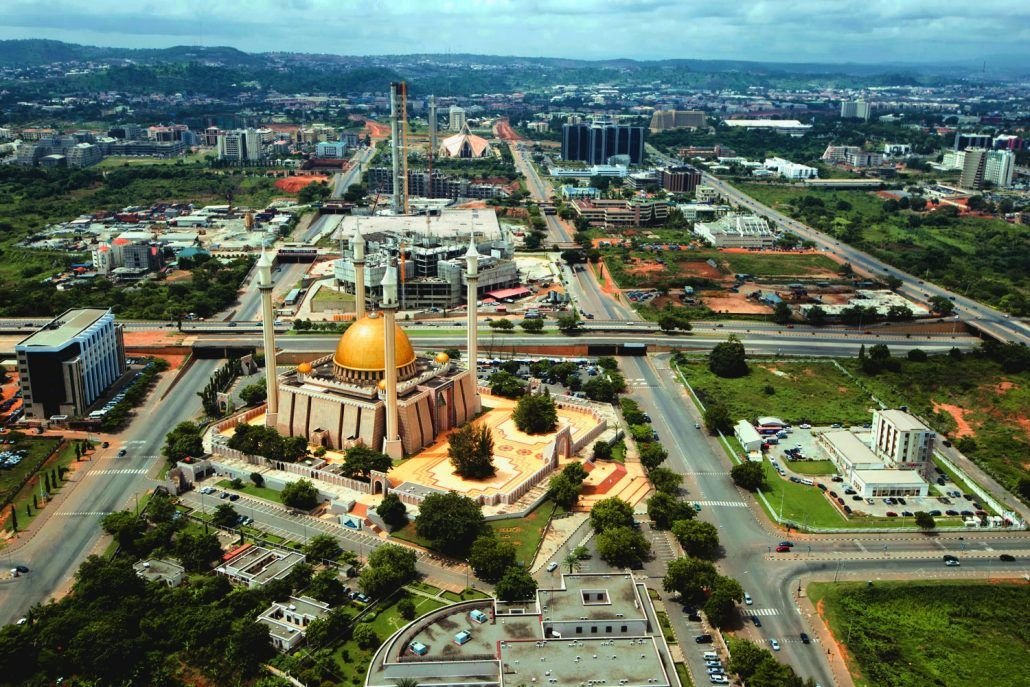
Abuja is a smaller, more business-driven market than Lagos, and it trades volume for stability. AirROI’s July 2025–June 2026 dataset shows the average Abuja host earning $2,484 a year, at 26.6% occupancy, a $60 average daily rate, and a $15 RevPAR. That’s roughly half of what a typical Lagos listing generates.
AirDNA’s figures are close: about $1,600 in average monthly revenue at 26% occupancy, across roughly 1,700 active listings. Supply is up nearly 70% year over year as more investors enter the market.
The upside for Abuja is a low break-even bar. Operating costs are generally lower than in Lagos, so the typical Abuja short-let only needs 15–20% occupancy, about 5 to 6 booked nights a month, to cover fixed costs before turning a profit.
Demand is driven almost entirely by diplomats, consultants, NGO staff, government visitors, and medical travelers rather than leisure tourism. That makes bookings steadier, but it also caps how high occupancy can realistically climb outside conference season.
Best and Riskiest Abuja Areas
- Wuse 2, central location near offices and restaurants; strong weekday business-traveler demand.
- Maitama District, diplomatic and high-income visitors willing to pay premium nightly rates, though some estates restrict frequent guest turnover.
- Guzape and Utako, emerging, comparatively undersaturated pockets with room for new supply.
- Jabi, a common investor trap. Buyers often pay a premium here assuming high Airbnb occupancy that the actual booking data doesn’t support.
Lagos vs. Abuja: Side-by-Side Comparison
| Metric | Lagos (2026) | Abuja (2026) |
| Active short-let listings | ~8,691 | ~1,700 |
| Average annual revenue | ~$4,500 | ~$2,484 |
| Average occupancy | 32–38% | 26–33% |
| Average daily rate (ADR) | ~$96 | ~$60 |
| Top-tier prime-zone net yield | Up to 24–32% (Lekki/Ikoyi/VI) | Lower; premium mainly in Wuse 2, Maitama |
| Break-even occupancy | Higher, due to operating costs | 15–20% |
| Core demand driver | Business, diaspora, weddings, events | Diplomatic, government, NGO, medical |
What’s Still Driving Demand in 2026
Nigeria’s short-let sector keeps growing for reasons that have little to do with tourism marketing.
- Diaspora Nigerians are visiting more frequently. They increasingly choose serviced apartments over hotels for extended family stays.
- Business travel to Lagos and Abuja has grown steadily. Corporate and NGO guests prefer flexible, self-contained stays over traditional hotel rooms.
- Remote and hybrid workers are booking short-lets for weeks or months at a time. This smooths out occupancy between weekend leisure bookings.
- Medical travel within Nigeria routes many patients and family members toward short-lets near major hospitals in both cities.
- December and event season remains the single biggest revenue spike of the year in Lagos, driven by weddings, concerts, and festive homecomings.
The Risks Nobody Puts in the Brochure

Short-let investing in Lagos and Abuja is profitable, not passive. Three risks separate winning hosts from losing ones.
Power and infrastructure costs. Generator fuel, inverter maintenance, and backup power are a direct line item. They can quietly erode margins on an otherwise well-booked property, especially in Lagos.
Estate and building-level restrictions. There’s no citywide Airbnb ban in Lagos or Abuja. But private estates increasingly restrict short-stay guests. Banana Island, parts of Ikoyi, Eko Atlantic, and Lekki Phase 1 gated streets in Lagos often limit visitor turnover through internal estate rules. So do Maitama, Asokoro, Guzape, and Katampe Extension in Abuja, even where no public law exists.
Tax and registration exposure. Lagos treats short-let activity as a hospitality business once a host operates at scale, under the Lagos Hotel Occupancy and Restaurant Consumption Tax framework and LIRS guidance. Multi-unit hosts are increasingly expected to register a business name and keep proper tax records rather than operate informally.
How to Actually Maximize Profitability in 2026
Given the gap between average and top-performing listings, positioning matters more than ever.
- Buy for the guest, not the skyline. A well-located 2-bedroom apartment with reliable power and fast internet consistently outperforms a larger, more luxurious unit in a harder-to-reach area.
- Budget for professional management. The properties hitting 26–32% net yield in prime Lagos zones are rarely self-managed casually. Pricing, cleaning turnaround, and guest communication run like a hospitality business.
- Plan for a ramp-up period. New hosts typically need 6 to 12 months to reach top-performer occupancy. Reviews, photo quality, and pricing history build up gradually.
- Price December and event weeks separately. Diaspora and wedding guests book Lagos short-lets months in advance. Early, deliberate pricing captures the year’s biggest revenue window.
- Target underserved bedroom counts. Investors who spot gaps, such as premium studios or larger 3-bedroom family units in high-demand zones, can outperform the market average simply because supply hasn’t caught up yet.
If you’d like a second opinion before you buy, the Salesville Properties Lagos listings team can help you pressure-test a specific unit’s short-let potential against current occupancy and yield data. The same applies to Abuja short-let properties, where break-even math looks different from Lagos.
Is It Still Worth It in 2026? The Verdict

Yes. Short-let and Airbnb investment in Lagos and Abuja remains a strong cash-flow asset class in 2026, for investors who buy in the right location and commit to professional management. A well-positioned 2-bedroom unit in Lekki, Ikoyi, or Victoria Island can realistically target 24%+ net yields, while Abuja offers a lower but steadier return profile anchored by diplomatic and business demand.
The investors losing money in 2026 are almost always the ones who bought on hype in an oversupplied pocket and treated the property as a passive rental rather than a hospitality operation.
If you’re evaluating a specific Lagos or Abuja property for short-let potential, talk to Salesville Properties about location, projected occupancy, and realistic net returns before you commit, or browse our short-let-ready listings to see what’s currently available.
Frequently Asked Questions
Is Airbnb still profitable in Lagos in 2026?
Yes. The average Lagos listing earns around $4,500 a year at 32–38% occupancy, but well-managed 2–3 bedroom units in Lekki, Ikoyi, and Victoria Island are achieving up to 24–32% net yield, making location and management the real deciding factors.
Is short-let investment better in Lagos or Abuja?
Lagos generates roughly double Abuja’s average revenue, $4,500 versus $2,484 a year, thanks to a larger, more diverse guest base. Abuja has a lower break-even occupancy of just 15–20%, making it a steadier, lower-volatility option for risk-averse investors.
What is the best type of property for short-let investment in Lagos?
A modern, fully furnished 2-bedroom apartment in Lekki Phase 1, Ikoyi, Victoria Island, or Ikeja GRA is generally the best risk-adjusted choice. It fits couples, small families, and business travelers without the higher running costs of larger units.
Do I need to register my short-let business in Lagos?
There is no single Lagos-wide Airbnb law. But short-let activity is treated as a hospitality business under LIRS guidance and the Lagos Hotel Occupancy and Restaurant Consumption Tax framework. Hosts running multiple units are advised to register a business name and keep tax records.
Are there areas in Lagos or Abuja where Airbnb is restricted?
There’s no citywide ban in either city, but private estates often restrict short-stay guests. In Lagos, this includes Banana Island, parts of Ikoyi, and Eko Atlantic. In Abuja, Maitama, Asokoro, Guzape, and Katampe Extension frequently limit guest turnover through estate rules.
How long does it take a new Airbnb host to become profitable in Nigeria?
Most new hosts need 6 to 12 months to reach top-performer occupancy levels, as reviews, professional photography, and pricing history take time to build after listing a property.