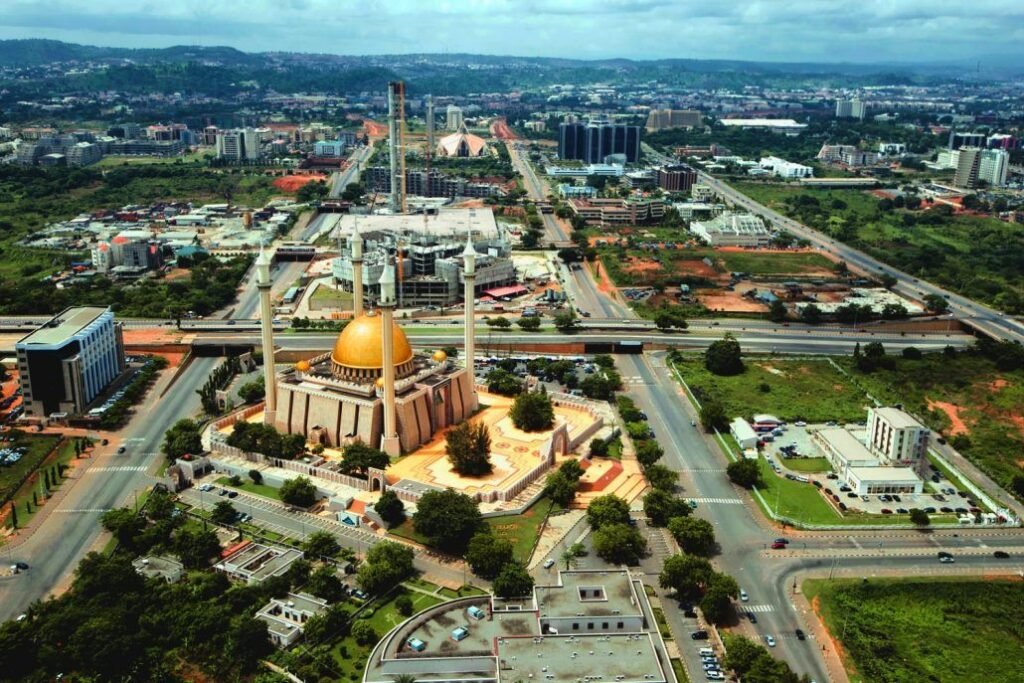
Table of Contents
.
Kubwa, Bwari and Kuje are the FCT satellite towns most likely to anchor Abuja’s next phase of growth, because new dual carriageways, a working rail stop and a fast-rising population are making them easier to reach from the city centre. Kubwa offers established commuter demand, Bwari offers institutions and space, and Kuje offers an airport-corridor entry point.
Last updated: 5 October 2026. Road timelines below are official targets, and land prices change quickly, so confirm current figures with our team before you commit.
Why are Abuja’s satellite towns growing now?
They are growing because the FCT Administration has pointed its road programme at them. On 17 July 2026, FCT Minister Nyesom Wike said that 317 kilometres of satellite-town roads had been awarded since May 2023, with 221 kilometres completed and 96 under construction.
Those are the minister’s own figures and have not been independently audited. The commissioning ceremonies in Kubwa and Kuje do confirm that real roads are opening.
Property professionals link the road work directly to land demand. A BusinessDay report from August 2026 names Kuje among the districts attracting more developers as access improves. Benjamin Onigbinde of Sigvent Industrial Cluster told the paper, “In Abuja, travel time often determines property value.”
The same report carries a warning. Faster appreciation has pushed rents up and strained affordability, and some investors are buying land only to resell it.
How big are these towns?
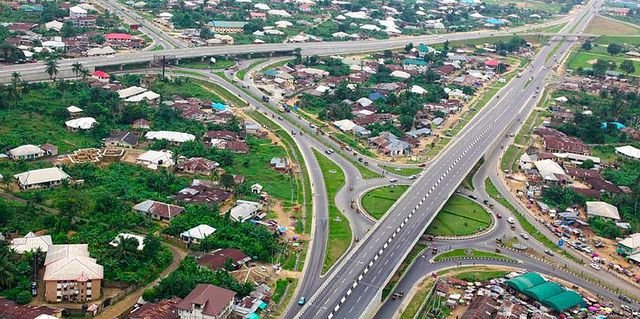
Official census data is old, so projections are the best guide to scale.
The 2006 census counted 229,274 people in Bwari Area Council and 97,233 in Kuje. The same source projects roughly 500,100 for Bwari and 212,100 for Kuje by March 2022, which is more than double the census figures. Kubwa sits inside Bwari Area Council, so it is counted within the Bwari total.
| Area council | 2006 census | 2022 projection |
| Bwari (includes Kubwa) | 229,274 | about 500,100 |
| Kuje | 97,233 | about 212,100 |
Some sources quote slightly different 2006 counts for both councils, a reminder that Nigerian population figures carry high error rates. Treat them as order-of-magnitude indicators.
Kubwa: the established commuter town
Kubwa is the most mature of the three. It has been a satellite town of Abuja since 1990 and lies roughly 23 kilometres from Wuse Market, though other sources measure about 26 kilometres. It is mainly residential, home to civil servants, traders, artisans and entrepreneurs.
Rail is Kubwa’s distinctive advantage. The Nigerian Railway Corporation added trips on the Abuja–Kaduna service from 6 March 2026, and all scheduled trains stop at Kubwa.
The corporation also notes that the corridor was disrupted by the 2022 bomb blast and the 26 August 2025 derailment, which cut rolling stock from three to one. A future light-rail leg from Idu to Kubwa appears in published project descriptions, but treat it as planned rather than delivered.
Road access improved on 17 July 2026, when President Tinubu commissioned the 4.2-kilometre Arab/Gbazango dual carriageway. It runs from the Outer Northern Expressway to Liberty Junction in Byazhin.
Best for: buyers who want existing demand, schools, markets and a rail option, and who are comfortable with a denser, more built-up setting.
Bwari: institutions, space and a road still to come
Bwari’s growth story rests on institutions rather than commuters alone. The area council hosts the Nigerian Law School, the JAMB national headquarters, Veritas University and the Usuma Dam, and it sits about 28 kilometres from the city centre. Those anchors create steady rental demand from students, staff and visitors.
The key infrastructure item is still unfinished. Wike said on 24 September 2026 that the contractor, SCC, had committed to handing over the Bwari–Kubwa road by December, despite rainfall delays. The road is about 17 kilometres long. In July 2026 the administration also inaugurated a water project in Bwari Area Council, extending supply beyond the city centre.
Best for: longer-horizon buyers who want larger plots and an institutional anchor, and who can wait for the road to complete before expecting full value.
Kuje: the airport-corridor entry point
Kuje is the largest of the three by land. The area council covers about 1,644 square kilometres, roughly 22.5% of the whole Federal Capital Territory, so growth here can spread over a wide area.
Access is the headline. President Tinubu commissioned Federal Highway 105 in June 2026. Its first phase is about 8.6 kilometres of six-lane dual carriageway, with three lanes each way, linking the Airport Expressway to Kuje Junction. The contract went to Arab Contractors in February 2022.
A second link is following. On 24 June 2026 the president commissioned a 7-kilometre stretch of the Kuje–Gwagwalada dual carriageway from Chibiri to Kiyi. The 12-kilometre second phase to Gwagwalada is scheduled for December 2026.
Kuje’s roads also carry a security argument.
The FCT Minister has said that road and water projects have helped reduce insecurity and improve access to farmland in the area council. A former president of the Real Estate Developers Association of Nigeria told BusinessDay that Kuje is already recording higher land and housing prices, with the Kuje–Kwali road pushing values up along that corridor.
Best for: buyers who want an airport-corridor location, a lower starting point than the city’s established districts, and patience while the area fills in.
Kubwa vs Bwari vs Kuje at a glance
| Kubwa | Bwari | Kuje | |
| Character | Established, dense, commuter-led | Institution-led, more space | Large, emerging, airport corridor |
| Key access project | Arab/Gbazango Road (done, July 2026); Kubwa train station | Bwari–Kubwa road (target December 2026) | Highway 105 (done, June 2026); Kuje–Gwagwalada road (Phase 1 done) |
| Main anchor | Rail stop, residential base | Law School, JAMB HQ, Veritas University | Airport Expressway link |
| Main watch-point | Congestion; reduced train frequency | Road not yet delivered | Early-stage services; verify title carefully |
What should buyers check before buying land in the FCT?

Check the title first, because the FCT Administration has been strict about land documents. In November 2025 the FCTA revoked 1,095 property titles over unpaid ground rent, Certificate of Occupancy bills, penalties and land-use conversion fees. In February 2026 the minister nullified 485 area council land documents that failed verification, with several confirmed as fake.
A practical checklist:
- Verify the title with AGIS. In Abuja, statutory and certificate titles are issued under the minister’s authority and recorded through the Abuja Geographic Information Systems.
- Confirm ground rent and bills are current. Unpaid charges can lead to revocation and block transfers.
- Check Minister’s consent for resales. Buyers who purchase from a previous holder must register their interest.
- Treat area council documents with extra care. Many have not been vetted, so ask whether the plot has been regularised.
- Inspect the site and the access road. A plot is only as useful as the road that reaches it.
- Ask for the full price history. Developer-quoted yields and appreciation rates vary widely, and no source can guarantee returns.
Frequently Asked Questions
Which FCT satellite town is best for property investment: Kubwa, Bwari or Kuje?
It depends on your goal. Kubwa suits buyers who want an established commuter town with a train station, Bwari suits long-horizon buyers who value institutional anchors and larger plots, and Kuje suits buyers who want an airport-corridor entry point with new dual carriageways. None of the three guarantees returns, so verify title and access before paying.
How far is Kubwa from Abuja city centre?
Published sources put Kubwa roughly 23 to 26 kilometres from Wuse Market, depending on the route measured. Actual travel time varies widely with traffic on the Abuja–Kaduna expressway corridor.
Is there a train from Kubwa?
Yes. Kubwa has a station on the Abuja–Kaduna line, and the Nigerian Railway Corporation said its trains make scheduled stops there under a timetable that took effect on 6 March 2026. Service has been reduced since the 26 August 2025 derailment, so check the current timetable before relying on it.
What new road links Kuje to the city?
Federal Highway 105, a six-lane dual carriageway of about 8.6 kilometres, now links the Airport Expressway to Kuje Junction. President Tinubu commissioned it in June 2026.
When will the Bwari–Kubwa road be finished?
The FCT Minister said on 24 September 2026 that the contractor, SCC, had committed to handing over the roughly 17-kilometre road by December 2026, despite delays caused by heavy rainfall. Treat that as an official target, not a delivered fact.
How do I verify land title in these satellite towns?
Confirm the title through the Abuja Geographic Information Systems (AGIS), check that ground rent and Certificate of Occupancy bills are paid, and make sure any resale carries the Minister’s consent. The FCTA has revoked titles for unpaid charges and nullified area council land documents that failed verification.
Conclusion: where do FCT satellite towns fit your plan?
FCT satellite towns are no longer a distant bet. Kubwa gives you proven demand and a rail stop, Bwari gives you institutions and room to grow once its road lands, and Kuje gives you an airport-corridor position backed by newly commissioned highways.
Each carries real risks: delayed projects, thin services in early-stage areas and title problems that can cost you the plot.
Salesvile Properties can help you compare verified plots and homes in all three towns, and walk you through title checks before you pay. Browse our Kubwa, Bwari and Kuje listings, read our land title checklist, or book an inspection with our team.