Table of Contents
.
How Naira volatility affects real estate prices in Nigeria? It primarily drives up the replacement cost of imported building materials, while simultaneously fueling speculative demand from diaspora and local investors using property as a hedge against currency depreciation.
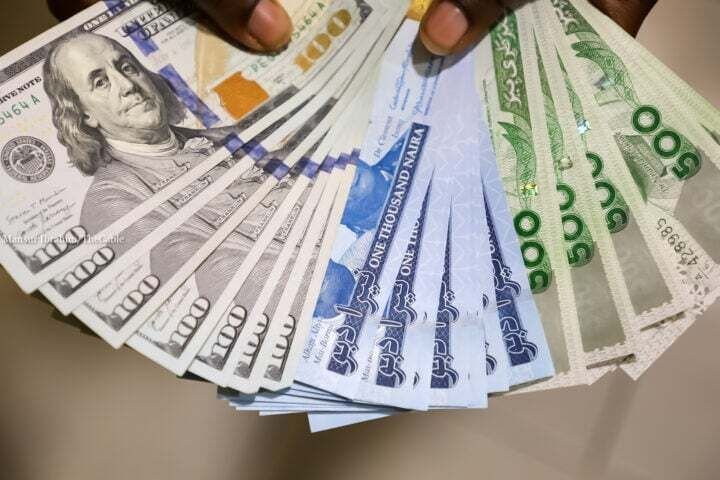
As the currency weakened from roughly ₦460/$1 in 2023 to over ₦1,600/$1 by 2025, land and building costs in Lagos, Abuja, and Port Harcourt climbed directly with it. Property has become a default hedge against currency risk, and that shift now shapes almost every buying, selling, and renting decision in Nigeria’s three biggest markets.
Why Naira Volatility Moves Property Prices
Nigerian real estate is priced on replacement cost, not just supply and demand. Cement, tiles, elevators, HVAC systems, and electrical fittings are either imported or built with imported machinery.
Every devaluation pushes construction costs higher almost immediately. As Ubosi Eleh & Co principal partner Chudi Ubosi told HousingTV Africa, property values move with inflation even though real estate is supposed to be a hedge against it.
That replacement-cost logic explains why prices rarely fall, even when the naira briefly stabilizes. A 50kg bag of cement that sold for about ₦3,500 a few years ago now costs between ₦9,500 and ₦15,000, depending on location, according to Bullionrise Consult’s 2026 construction cost review.
Nigeria’s headline inflation eased to 15.43% in July 2026 from 15.91% in June, per Trading Economics, helped by relative naira stability. Food and housing costs are still climbing, though, which keeps pressure on both construction budgets and household affordability.
Lagos: Luxury Prices Triple as Devaluation Meets Demand
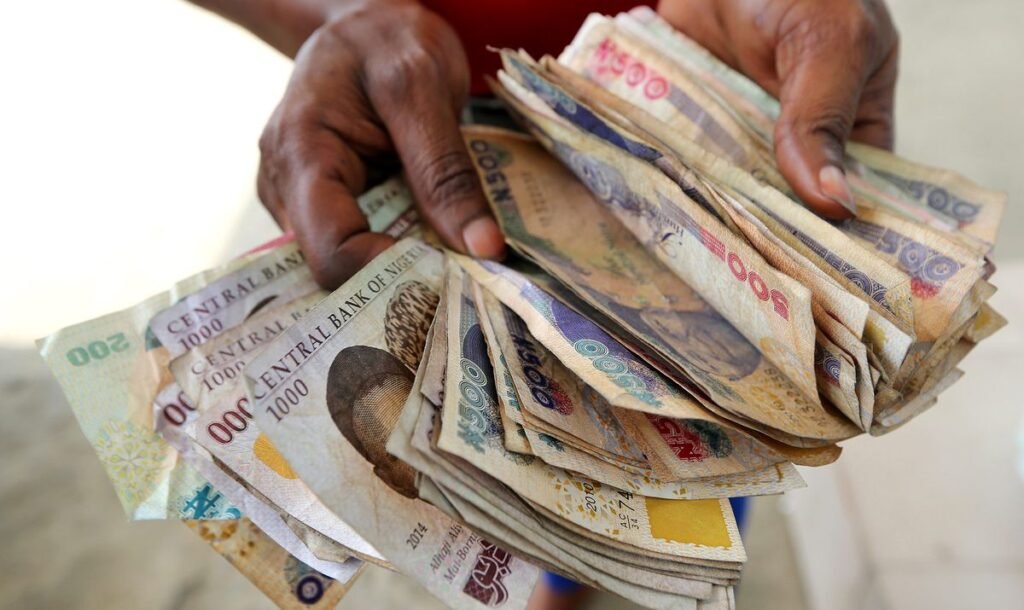
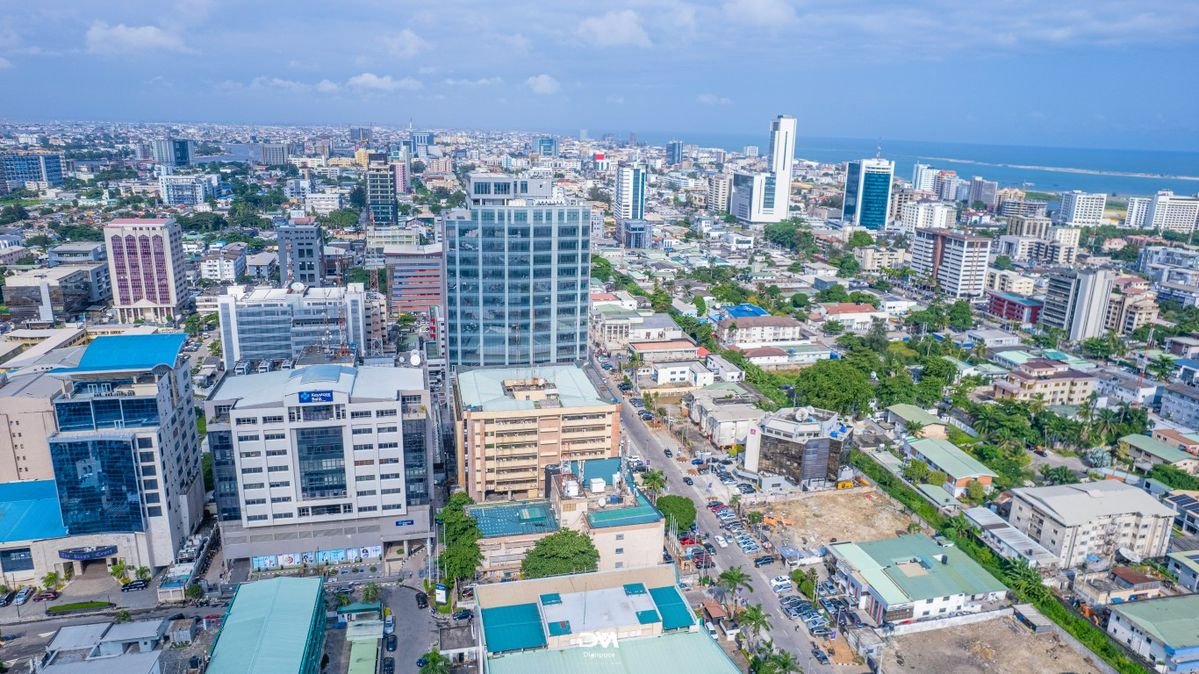
Lagos has absorbed the sharpest forex-driven repricing of any Nigerian city. A portfolio of ten investment properties rose in value to ₦25.6 billion by February 2026, up from ₦9.3 billion in December 2024, according to data compiled by BusinessDay and reported via NigeriaHousingMarket.com.
That surge reflects sustained demand layered on top of currency devaluation. Ikoyi, Lagos’s premier district, recorded appreciation of between 132% and 176% over roughly the same period.
The land market tells the same story at street level. Ubosi noted that a plot on Cooper Road sold for about ₦800,000 per square metre in January 2024. It now commands as much as ₦3.5 million. In Ikeja GRA, land has moved from ₦600,000 to ₦1.5 million per square metre. A three-bedroom flat that rented for ₦5 million a year now goes for roughly ₦15 million. At the very top of the market, a duplex in Banana Island rents for between ₦80 million and ₦100 million annually.
The naira has since stabilized in the ₦1,400–₦1,500/$1 range in early 2026. That relative calm has changed buyer behaviour rather than reversed prices. Diaspora buyers account for up to 70% of capital inflows into Nigeria’s premium residential segment, according to The Africanvestor’s 2026 forecast. They increasingly treat Lagos property as a wealth-preservation vehicle, with rental yields in Eko Atlantic and Victoria Island benchmarked in US dollars.
Base-case forecasts point to Lagos residential prices rising another 10–16% in naira terms over the next 12 months. Prime Island homes are moving more slowly than fast-growing corridors like Lekki, Ajah, and Sangotedo.
Abuja: Slower Naira Gains, Real Dollar Discounts
Abuja’s price story looks different once you separate naira gains from dollar value. Residential property in the FCT appreciated an estimated 180–220% in naira terms between 2020 and 2025.
In dollar terms, that gain shrinks to roughly 20–40%, because the naira itself lost so much ground, according to Otuochi Shelters’ Abuja appreciation report. The practical effect: an apartment that cost around $200,000 in 2019 can now be bought for under $80,000 at current exchange rates. That gap has pulled in a measurable rise in diaspora inquiries from the UK and North America.
Devaluation has also driven up Abuja construction costs directly. Landlords in budget districts like Kubwa, Karsana, and Lugbe are passing on construction costs that have risen 30–50% since 2023, per AI Realent’s 2026 Abuja rent guide.
On the sale side, Abuja house prices rose an estimated 15–25% between 2024 and 2026. Jahi, Katampe Extension, and Karsana posted the fastest gains, at 18–30%. Prime districts like Maitama and Asokoro grew more slowly in percentage terms, but they recorded the largest absolute price increases. A smaller percentage move on a ₦900 million property still adds up to a large naira sum. Analysts expect Abuja prices to rise a further 6–12% over the next year, a calmer pace than the 2023–2025 devaluation years.
Port Harcourt: The Oil Capital Reacts on Its Own Terms
Port Harcourt is Nigeria’s second-largest property market by transaction volume after Lagos. Forex swings hit it through a different channel: oil-sector corporate housing demand priced directly in dollars.
In the city’s Government Residential Area, oil majors negotiate corporate leases in the $2,500–$4,500 per month range for senior expatriate staff, according to Ownkey’s 2026 Port Harcourt property guide. That produces gross yields of 8–11% on dollar-denominated lets, a structure that largely insulates landlords in that segment from naira swings.
Outside that dollar-priced corporate tier, the mainstream market has been repricing fast. The average Port Harcourt flat now rents for about ₦2.96 million a year, up 20.6% year-on-year, based on Nigeria Property Centre data cited by Mushrooms.ng.
That is the fastest rental growth of any major Nigerian metro the tracker covers, ahead of both Lagos and Abuja in percentage terms. Growth is concentrated in Obio-Akpor corridors such as Woji, Eliozu, and Elelenwo, where geography is pushing new supply outward. The city core is boxed in by rivers and creeks, so expansion has nowhere to go but out.
The Hedge-Against-Inflation Argument, and Its Limits
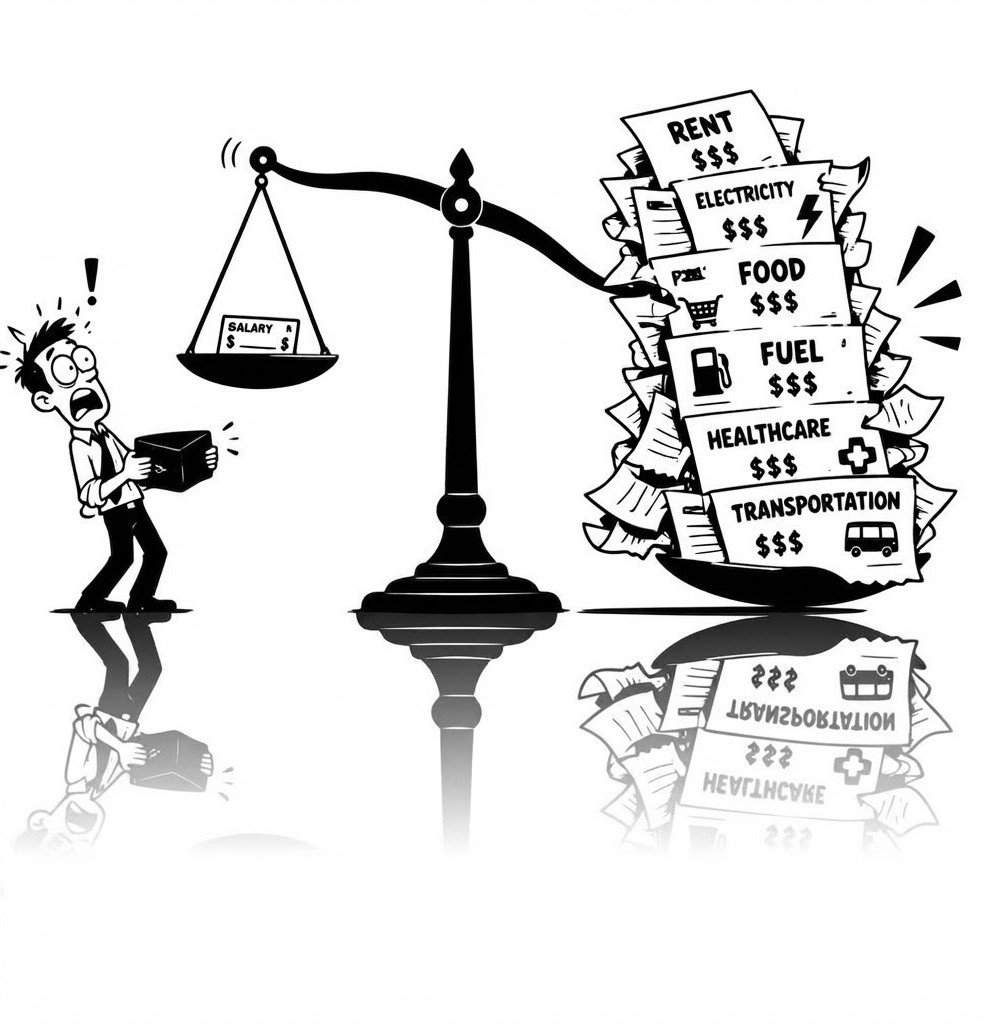
The core reason property demand keeps rising alongside a weak naira is simple. Hard assets hold value better than naira cash during currency depreciation.
That logic pulls diaspora buyers into Lagos and Abuja, oil-sector tenants into Port Harcourt’s dollar-priced GRA units, and local investors with naira savings into land banking. But the hedge is imperfect, and treating naira volatility and real estate gains as an automatic win overlooks three real risks:
- Nominal gains can mask flat real returns: Lagos property prices have risen 600–900% in naira over the past decade, but only 60–120% after adjusting for inflation. Much of the quoted “growth” is currency depreciation, not genuine appreciation.
- Affordability has decoupled from local incomes: A typical three-bedroom Lagos apartment now costs 15 to 25 times median household income. That is well above the 3-to-5 multiple considered affordable internationally, and it limits how many buyers can absorb further increases.
- Dollar-priced rents concentrate risk in a narrow segment: Corporate expatriate leases in Port Harcourt’s GRA or Lagos’s Eko Atlantic depend on continued oil-sector and multinational presence. A pullback in that demand would hit dollar-denominated yields directly.
How to Navigate Forex-Driven Property Prices as a Buyer
Forex swings won’t stop shaping Nigerian real estate. Buyers who understand the mechanics can still position more safely.
- Price in both currencies before committing: Compare the naira asking price against its current dollar equivalent, and against what the same asset cost in dollars a year earlier. That gap shows how much of the price move is currency-driven.
- Favour titled land and completed builds over speculative off-plan deals: Construction costs are volatile right now. Developers on fixed-price contracts absorb material-inflation risk that buyers on flexible-price contracts may not.
- Check rental benchmarks, not just sale comparables: Rents, especially in Port Harcourt’s Obio-Akpor corridor and Lagos’s Yaba-Gbagada belt, are currently the fastest-moving indicator of real demand.
- Budget an extra 9–14% above the asking price: That covers closing costs, title verification, and negotiation room. Nigerian listing prices are rarely final sale prices.
- Work with a locally grounded advisor: Look for one who tracks both the currency story and area-specific fundamentals, like infrastructure timelines, flood risk, and title status, rather than relying on headline appreciation percentages alone.
FAQ: Naira Volatility and Nigerian Real Estate
Why do Naira devaluation and property prices move together in Nigeria?
Nigerian construction depends heavily on imported materials and machinery. A weaker naira raises replacement costs immediately, and developers and landlords pass that cost through to sale and rental prices.
Is real estate a good hedge against Naira volatility?
It can be. Property has historically held value better than naira cash during depreciation. But the hedge is partial; after adjusting for inflation, real gains in cities like Lagos are far smaller than the naira headline figures suggest.
Which city has seen the biggest forex-driven price increase?
Lagos has posted the steepest documented gains. Prime Ikoyi assets appreciated 132–176% in roughly a year. Abuja and Port Harcourt have seen steadier, more location-specific increases tied to construction costs and, in Port Harcourt’s case, dollar-priced corporate demand.
Should I price or negotiate property in dollars or naira in Nigeria?
Most transactions are still naira-denominated. The exceptions are dollar-benchmarked segments like Lagos’s Eko Atlantic and Port Harcourt’s oil-sector corporate lets. For everything else, negotiate in naira, but check the current dollar equivalent to understand the real cost trend.
What is the biggest risk of buying property purely as a currency hedge right now?
Overpaying for nominal naira appreciation that doesn’t reflect real value growth. This risk is highest in segments where affordability has already outpaced local household incomes.
Talk to Salesvile Properties Before You Buy
Naira volatility will keep repricing Lagos, Abuja, and Port Harcourt property in the months ahead. The difference between a good investment and an overpriced one often comes down to local, current data rather than headline currency news.
Salesvile Properties tracks area-level pricing, construction-cost trends, and title status across all three markets. Browse our Lagos listings, Abuja listings, and Port Harcourt listings, or reach out to our team for a property consultation before you commit to your next purchase.