Hidden costs of buying a home in Lagos are what catch most buyers off guard. Many people focus on the listing price, negotiate hard, celebrate the purchase… and then reality starts sending invoices. Legal fees. Stamp duty. Governor’s consent. Agency commission. Renovations. Annual charges. The number on the brochure was just the beginning.
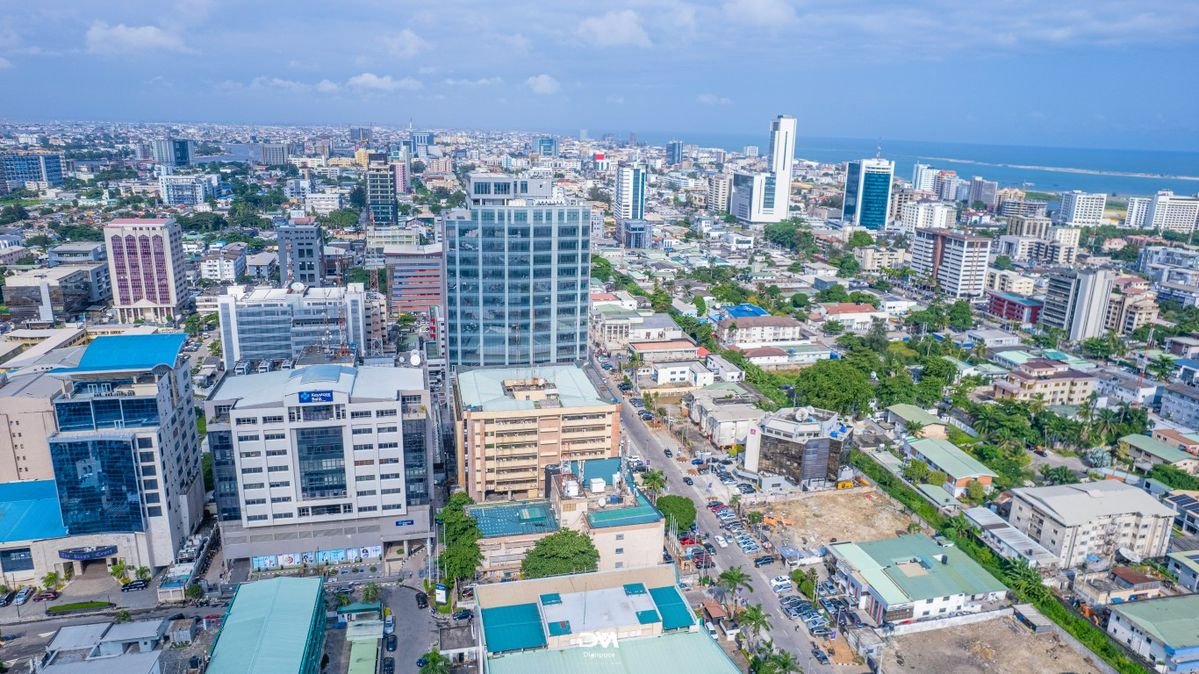
Lagos remains one of the most powerful real estate markets in Africa, whether you’re buying in Ikoyi, Lekki, Victoria Island, or Ajah. But purchasing property here isn’t just a transaction — it’s a financial commitment layered with government fees, regulatory processes, and ongoing maintenance obligations that many first-time buyers underestimate.
The good news? None of these costs are deal-breakers. They’re simply costs that demand preparation. When you understand the full financial picture upfront, you don’t just buy property in Lagos — you buy with clarity, control, and confidence.
Understanding the Hidden Costs of Buying a Home in Lagos
1. Legal and Documentation Fees
Before a single naira changes hands, the legal machinery starts running and it’s most definitely not free.
Legal/Solicitor Fees typically sit between 5% and 10% of the property value. Your lawyer handles due diligence, title verification, and contract drafting. This is non-negotiable. Skipping it is how people end up buying land that belongs to three different families simultaneously.
Survey and Search Fees run between ₦150,000 and ₦500,000 depending on location. A land survey confirms boundaries; a land registry search confirms ownership history. Both are essential.
Deed of Assignment Registration. Once you take ownership, it must be registered with the Lagos State Land Registry. Budget around 3% of the purchase price for this.
2. Stamp Duty: The Government’s Share of Your Purchase
Here’s a cost that catches many buyers completely off guard. Stamp duty is a federal government tax on property transactions in Nigeria, currently charged at 1.5% of the property value for residential properties. On a ₦200 million property, that’s ₦3 million [not exactly pocket change]. The Federal Inland Revenue Service (FIRS) collects this, and it must be paid before your documents can be legally recognized. Trying to sidestep stamp duty is the kind of shortcut that haunts property owners during resale or inheritance disputes. Don’t.
3. Governor’s Consent and Certificate of Occupancy
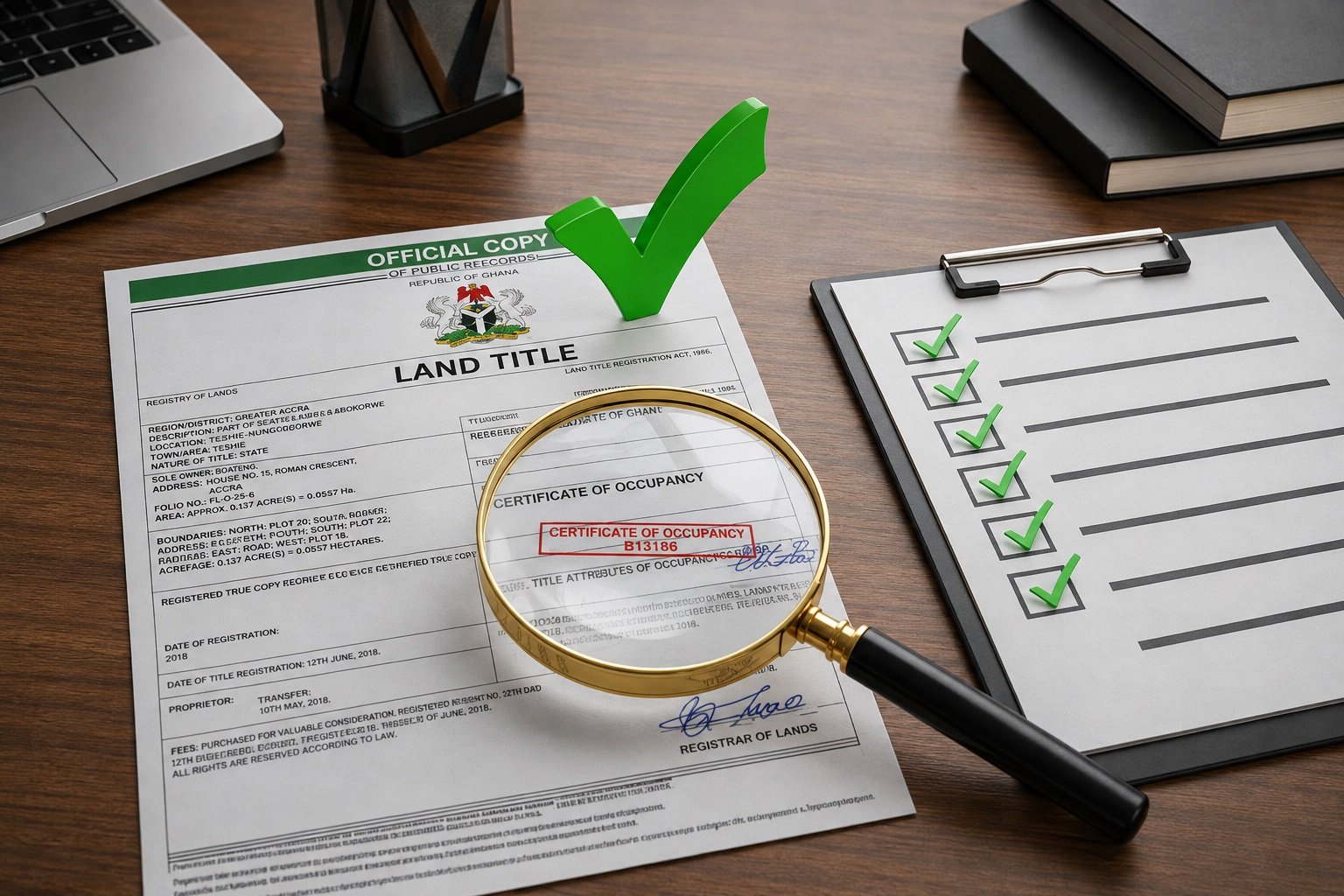
In Lagos, all land technically belongs to the government under the Land Use Act of 1978. What you’re actually buying is the right to use and occupy that land, formalized through a Certificate of Occupancy (C of O) or a Governor’s Consent on an existing C of O.
Getting Governor’s Consent on a property transfer can cost anywhere from ₦500,000 to several million naira depending on assessed value and location.
Processing a fresh C of O? Budget even more time and money. The bureaucratic process can be painfully slow, sometimes taking 2 to 5 years. But without it, your ownership is legally fragile. This is precisely why working with a knowledgeable real estate agency that understands the Lagos Land Bureau is worth every kobo.
4. Agency and Commission Fees
Standard real estate agency commission in Lagos runs between 5% and 10% of the purchase price. On premium properties, that’s several million naira. But here’s the important distinction — a reputable agency earns every bit of that commission through market intelligence, negotiation, due diligence, and protecting you from the many predatory actors in the Lagos property market.
What reputable agencies save you in avoided fraud, inflated pricing, and bad deals typically far exceeds their fees. Lagos real estate has more landmines than a war zone, from fake sellers to multiple simultaneous sales on the same property. Your agency is your bomb squad and anything less is a mistake
5. Property Taxes and Annual Charges: Welcome to the Recurring Bill Club
Land Use Charge (LUC) is Lagos State’s unified property tax, calculated based on your property’s assessed value and location. Upscale areas like Ikoyi, Victoria Island, and Lekki attract significantly higher assessments. Failure to pay attracts penalties and, in extreme cases, government enforcement. Budget this as a fixed annual expense.
Service Charges apply if you’re buying in a gated estate, managed development, or luxury building. These cover security, facility maintenance, cleaning, and shared amenities. For high-end estates, this can range from ₦500,000 to over ₦5 million annually depending on the property tier.
Tenement Rates are still levied separately by some local government areas. Relatively modest, but another annual line item to account for.
6. Insurance
Lagos is a dynamic, high-energy city; which also means flooding in low-lying areas [especially on the island], fire incidents, and structural risks are real. Insurance is your financial buffer.
Building Insurance covers the structure against fire, flooding, and structural collapse. Annual premiums typically run 0.3% to 0.5% of the property’s rebuild value. Contents Insurance matters if you’re furnishing a luxury home. [and at these price points, you almost certainly are]. Mortgage Protection Insurance is required by lenders if you’re financing the purchase, ensuring the loan is repaid in the event of death or critical illness.
7. Renovation and Finishing Costs
Many Lagos properties are sold as four walls, a roof, and your imagination. Even fully finished properties often require customization. Budget realistically: tiling and flooring runs ₦3,000 to ₦15,000 per square metre depending on material; high-end kitchen and bathroom fittings can run into tens of millions; electrical and plumbing upgrades are particularly important in older properties.
For a luxury 4-bedroom in Lekki Phase 1, full finishing and fitting costs can range from ₦20 million to ₦80 million depending on your specification level. This is the line item that most first-time buyers drastically underestimate and the one that tends to cause the most post-purchase regret.
8. Ongoing Maintenance: The Cost That Never Stops
Property ownership is a commitment, not a transaction. Lagos’s tropical climate [high humidity, heavy rainfall, coastal air on the islands] accelerates wear and tear faster than most buyers anticipate. Industry wisdom suggests setting aside 1% to 2% of your property’s value annually for maintenance. On a ₦300 million property, that’s ₦3 million to ₦6 million per year, covering painting, plumbing repairs, roofing maintenance, AC servicing, generator upkeep, and general wear. Build this into your financial model from day one.
.
The Real Numbers: What Lagos Property Actually Costs
On a ₦200 million property purchase, here’s a realistic view of additional costs beyond the sticker price:
| Cost Item | Estimated Amount |
| Legal fees (7.5%) | ₦15,000,000 |
| Stamp Duty (1.5%) | ₦3,000,000 |
| Governor’s Consent / Registration | ₦3M – ₦8,000,000 |
| Agency Commission (5%) | ₦10,000,000 |
| Renovation / Finishing | ₦20M – ₦80,000,000 |
| Infrastructure (power, water, security) | ₦5M – ₦20,000,000 |
| Annual running costs (insurance, LUC, maintenance) | ₦3M – ₦10,000,000/yr |
| Total additional outlay | ₦59M – ₦131M+ |
The hidden costs on a mid-range Lagos luxury property can add 30% to 65% to your actual cost of ownership. This isn’t a reason to walk away, it’s a reason to walk in fully prepared. The Lagos real estate market is ever growing and in spite of all these cost [that seems like a lot] it still easily one of the biggest real estate market in West Africa.
These additional costs are not static. They may vary depending on the area, the kind of property and other factors. While we have tried to touch all possible extra costs, some areas might not require as much.
The Bottom Line: Go In With Your Eyes Open And the Right People in Your Corner
Buying property in Lagos is one of the smartest moves you can make but only when you do it right. The hidden costs aren’t a reason to hesitate; they’re a reason to plan meticulously, budget honestly, and surround yourself with professionals who know this market the way a Lagos danfo driver knows every shortcut in the city.
Because in Lagos real estate, the difference between a great deal and a costly mistake often comes down to who’s standing in your corner.
Ready to Buy Smart in Lagos? Talk to Salesville Properties.
Navigating Lagos real estate without a trusted guide is like driving on the Third Mainland Bridge without headlights — technically possible, deeply unwise.
Contact Salesville Properties today for a confidential consultation on any Lagos real estate matter. Let us help you buy smarter, invest wiser, and own with complete confidence.