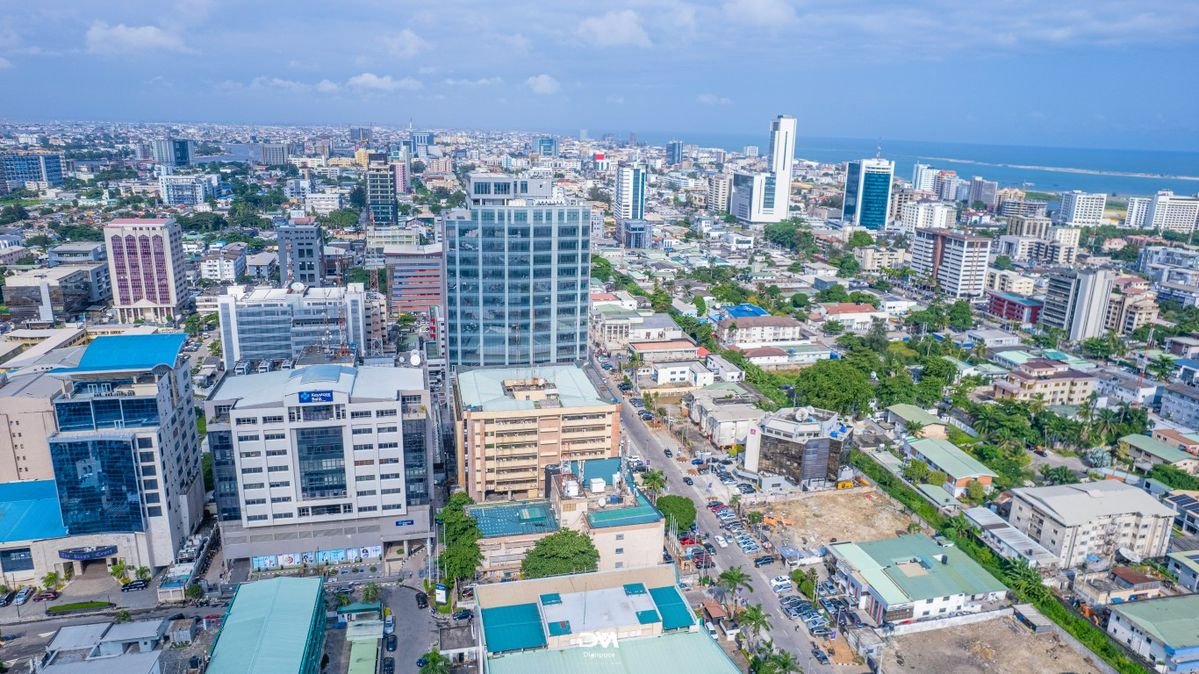
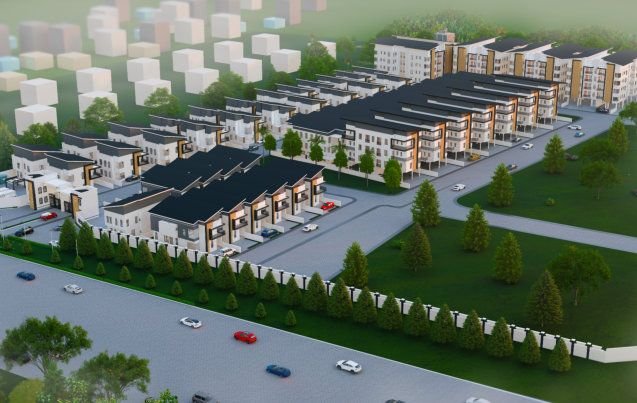
If you have been observing the Lagos property market closely, even if it’s from a distance, you will notice that conversations around land ownership have become more nuanced. It is no longer just about buying land early or buying cheap; it is about buying right. Title security, future value, infrastructure alignment, and regulatory certainty among a lot other factors now carry as much weight, arguably even more, than location itself.
Within this context, government allocated land in Lagos continues to stand out as both an opportunity and, for some, a source of hesitation. It is often described as “safe,” yet also labeled “expensive” or “slow.” The truth, as always, lies somewhere in between.
I would want to take you on a small tour around a grounded look at the real advantages and limitations of government allocated land, framed within current Lagos real estate market realities and where the market is clearly headed and ultimately leave it up to you to decide if it’s something you should invest in whether in building your home or a portfolio.
What Government Allocated Land in Lagos Really Means Today
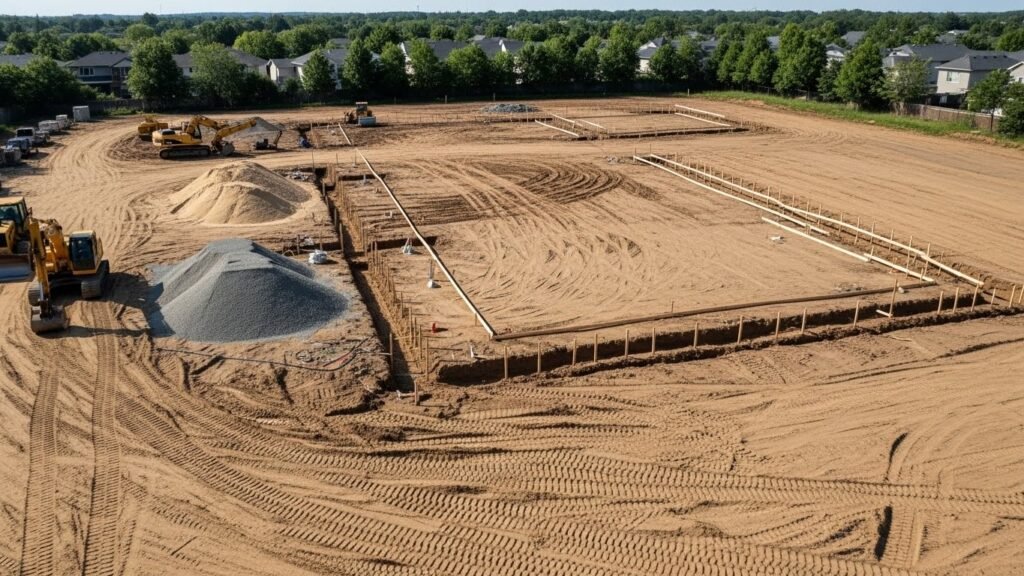
Government allocated land refers to land parcels officially released by the Lagos State or Federal Government to individuals or organizations, complete with recognized titles such as a Certificate of Occupancy or a properly consented transfer. These allocations are usually part of a larger development plan like residential schemes, industrial layouts, mixed-use corridors, or emerging urban extensions.
In a city that is expanding outward as rapidly as Lagos, government allocation has increasingly become a tool for shaping growth. New road networks, transport links, housing initiatives, and commercial hubs are often anchored around these lands. This is one reason seasoned buyers looking at properties for sale in Lagos tend to ask first about title origin before price.
Let’s take a look at some of it’s features;
The Quiet Strength of Title Security
One of the most compelling reasons buyers gravitate toward government allocated land is peace of mind. Ownership disputes, overlapping claims, and historical encumbrances, issues that still plague informal land markets, are significantly reduced if not completely eliminated.
This matters more today than it did a decade ago. As property values climb and development density increases, land conflicts become more expensive and time-consuming to resolve. Clear title is no longer a luxury; it is a baseline requirement, particularly for buyers considering luxury properties for sale in Lagos or land intended for long-term development.
This is also why banks and institutional partners show a strong preference for government-backed titles when evaluating financing or joint ventures. If you’re looking to set up something serious, this kind of security is non-negotiable.
Long-Term Value in a Market That Keeps Moving
Lagos property prices have shown consistent upward movement, driven by population growth, infrastructure investment, and rising demand for quality housing and commercial space. Government allocated land tends to sit comfortably within this appreciation curve.
Because these lands are often located in planned corridors, areas benefiting from road expansions, utility upgrades, or proximity to economic hubs, they naturally absorb value over time. Buyers looking at properties for sale in Lagos Island, for example, already understand how planning and infrastructure can dramatically influence returns.
What makes government land particularly attractive is that appreciation is not speculative. It is supported by policy direction, urban planning, and sustained demand.
Planning, Structure, and the New Standard of Living
Another advantage that is sometimes overlooked is how well government allocated land aligns with modern living expectations. Master layouts typically account for drainage, access roads, setbacks, and zoning. This structured approach has become increasingly relevant as buyers show growing interest in smart homes, eco-friendly designs, and gated communities with shared amenities.
Developments that integrate technology, energy efficiency, and environmental considerations are no longer niche—they are becoming the market standard. Government-planned estates make it easier to deliver these features at scale, which explains why many top luxury real estate companies in Lagos prioritize such locations.
The Cost Conversation: Why Government Land Is Not Cheap
There is no avoiding the fact that government allocated land often comes at a higher entry price. Between allocation fees, documentation, and statutory charges, the upfront cost can be substantial when compared to family or excised land.
However, this cost needs to be understood in context. What you are paying for is risk reduction, regulatory clarity, and future flexibility. In a market where capital preservation is just as important as capital growth, many buyers consider this a fair trade-off.
That said, cash flow planning becomes essential, and this is where working with experienced real estate agents in Lagos can make a meaningful difference.
Bureaucracy: The Price of Regulation
Another common concern is process. As necessary as I understand it to be, Bureaucracy can be incredibly stressful. Government transactions are rarely fast. Documentation, approvals, and consent processes can take time, and timelines are not always predictable.
For buyers unfamiliar with Lagos property regulations, this can be frustrating. Yet, it is also this same bureaucracy that enforces order, prevents arbitrary claims, and protects ownership rights in the long run.
This is precisely why many investors rely on lagos real estate agents who understand how to navigate these systems efficiently, reducing delays and avoiding costly missteps.
Development Rules and Their Double-Edged Nature
Government allocated land comes with rules. There can be setbacks, height restrictions, zoning classifications, and development timelines. For some buyers, especially those with unconventional ideas, these controls may feel really limiting.
On the other hand, it is inexcusable that these regulations protect overall property value. They prevent incompatible developments, overcrowding, and infrastructure strain. In premium locations, this predictability is often what sustains long-term desirability and resale value.
It is no coincidence that many high-performing estates sit on government-approved layouts.
The Risk of Non-Compliance
I don’t know if I could actually classify this as a risk but While rare, allocation revocation does happen. Its often usually due to non-development within stipulated periods or violation of planning conditions. This reinforces the importance of intentional acquisition. Government land is best suited for buyers with a clear plan, whether immediate development or structured holding. Whether it is a risk or not, I guess that’s up to you to decide.
Professional advisory support is crucial here. Knowing when to build, when to apply for extensions, and how to remain compliant protects the asset. Another reason to have an expert on hand.
Comparing Government Land With Other Options
In practical terms, buyers often weigh government land against excised or family land. While the latter may offer lower entry prices, they typically come with higher legal and reputational risk.
As property values rise and demand for secure assets intensifies, many buyers shift preference toward certainty, even if it means paying more upfront. This shift is evident in recent Lagos real estate market news, where transactions increasingly favor titled land.
Current market behavior points toward a Lagos real estate ecosystem that values structure, technology, sustainability, and professional management. Smart infrastructure, eco-conscious developments, and mixed-use spaces are no longer optional add-ons—they are shaping buyer expectations.
At the same time, government involvement in boosting housing supply and commercial development continues to influence land availability and pricing. This combination is driving sustained appreciation across well-planned zones, reinforcing real estate as a reliable hedge and growth vehicle.
For buyers assessing investment tips and long-term positioning, government allocated land remains a strong contender.
The Importance of the Right Advisory Partner
The difference between a smooth transaction and a costly mistake often comes down to guidance. From due diligence to negotiation and documentation, the role of professional representation cannot be overstated.
Whether you are looking to find a real estate agent in Lagos, explore premium listings, or understand compliance requirements, working with a Top Real Estate Company in Lagos ensures that decisions are informed, strategic, and aligned with your broader goals.
Government allocated land in Lagos is definitely not for everyone. But for those who value certainty, long-term appreciation, and alignment with the city’s growth trajectory, it remains one of the most dependable real estate options available.
As Lagos continues to evolve, assets rooted in clear title, structured planning, and government-backed frameworks will likely define the next phase of value creation.
For verified opportunities, professional insight, and access to some of the most secure properties for sale in Lagos, Contact Salesville Properties—a trusted name among Top Real Estate Companies In Lagos.
And for a little peak into the Government allocated lands phenomenon, check out our video on YouTube on some pieces up for grabs: Watch Here